Speak fluent HVAC
HVAC Glossary: Terms Every Antioch Homeowner Should Know
Contractors throw around a lot of jargon: SEER2, tonnage, MERV, static pressure. Here's what the words on your quote actually mean, in plain English, so you can make confident decisions about your home's comfort system.
Plain English, no jargon · Written by local technicians · Free to bookmark
Efficiency Ratings
- SEER2
- Seasonal Energy Efficiency Ratio 2. Measures cooling efficiency across a typical season. Higher is better. The current Southeast minimum for new systems is 14.3 SEER2; premium models exceed 20.
- EER2
- Energy Efficiency Ratio 2. Like SEER2, but measured at a single high-temperature operating point instead of across a season. Useful for comparing how units handle peak Tennessee heat.
- HSPF2
- Heating Seasonal Performance Factor 2. The heating-side equivalent of SEER2, used for heat pumps. Higher HSPF2 means cheaper winter heating.
- AFUE
- Annual Fuel Utilization Efficiency. Used for furnaces: the percentage of fuel converted to heat. An 80% AFUE furnace wastes 20% up the flue; a 96% model wastes only 4%.
Sizing Terms
- Tonnage
- Cooling capacity, not weight. One ton equals 12,000 BTUs per hour. Most Antioch homes need 2.5 to 5 tons, depending on size, insulation, and sun exposure.
- BTU
- British Thermal Unit. The basic unit of heat energy. Your system's BTU rating tells you how much heat it can move per hour.
- Load calculation (Manual J)
- The industry-standard method for sizing equipment. It factors in square footage, insulation, windows, and orientation. Any quote that skips this step is a guess, always ask for it.
System Components
- Compressor
- The heart of the system. It pressurizes refrigerant so it can absorb indoor heat and release it outside. A failed compressor on an old unit often tips the repair-vs.-replace decision.
- Condenser coil
- The coil in your outdoor unit where refrigerant releases heat to the outside air. Dirt and debris here force the whole system to work harder.
- Evaporator coil
- The indoor coil where refrigerant absorbs heat from your home's air. A dirty or frozen evaporator coil is behind many "AC running but not cooling" calls.
- Blower
- The fan that pushes conditioned air through your ductwork. Blower problems show up as weak airflow from vents.
- Air handler
- The indoor cabinet housing the blower and evaporator coil. In many Antioch homes it sits in a closet, attic, or crawlspace.
- Ductwork
- The network of ducts carrying air around your home. Leaky ducts can waste 20–30% of your conditioned air into the attic or crawlspace.
- Heat pump
- A system that moves heat instead of making it: cooling in summer, heating in winter by reversing the refrigeration cycle. Ideal for Tennessee's mild winters.
Controls & Electrical
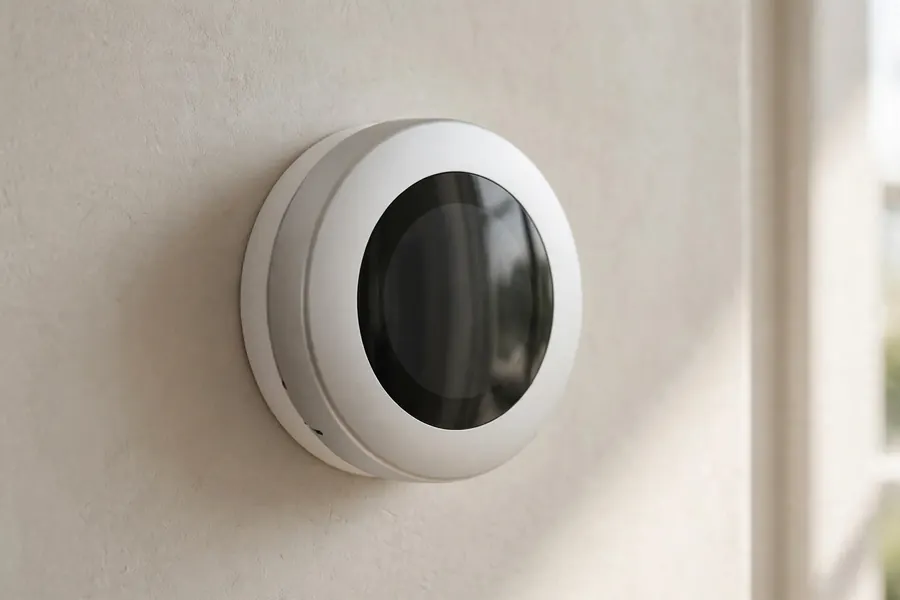
- Thermostat
- Your system's control center. Smart thermostats add scheduling and remote control; a miscalibrated or misplaced thermostat causes comfort complaints that aren't the equipment's fault.
- Capacitor
- A small electrical part that jolts motors to start. Heat kills them, making failed capacitors one of the most common, and cheapest, summer repairs.
- Contactor
- An electrical switch that feeds power to the compressor and condenser fan when the thermostat calls for cooling. Pitted contacts cause chattering or no-start problems.
Air Quality & Refrigerant
- MERV rating
- Minimum Efficiency Reporting Value. Rates filter effectiveness from 1 to 16. MERV 8–13 suits most homes; higher isn't always better if it restricts airflow.
- Refrigerant
- The chemical that carries heat in and out of your home. Modern systems use R-410A (being phased toward newer blends); older R-22 systems are expensive to recharge. Low refrigerant always means a leak, it doesn't get "used up."
Service Terms
- Tune-up
- Preventive maintenance visit: cleaning coils, checking refrigerant charge, testing electrical components, and flushing the drain line. Once a year for cooling, once for heating.
- Diagnostic
- The systematic testing a technician performs to find the root cause before quoting a repair. A proper diagnostic checks the whole system, not just the obvious symptom.
Related Reading
Your Questions, Answered
What does SEER2 mean on an air conditioner?
SEER2 (Seasonal Energy Efficiency Ratio 2) measures how efficiently an AC or heat pump cools over a typical season. Higher numbers mean lower energy bills. In the Southeast, the current minimum for new systems is 14.3 SEER2, and high-efficiency models reach 20+.
What is HVAC tonnage? Does it mean weight?
No, tonnage doesn't mean the unit weighs that much. One ton of cooling equals 12,000 BTUs per hour, roughly the cooling power needed for 500–600 square feet in Middle Tennessee. Most Antioch homes use 2.5 to 5-ton systems, sized by a Manual J load calculation.
What's the difference between a heat pump and a furnace?
A furnace creates heat by burning fuel (usually natural gas). A heat pump moves existing heat, pulling warmth from outdoor air in winter and dumping indoor heat outside in summer. Heat pumps handle both heating and cooling, which is why they're popular in Tennessee's mild winters.
What does a MERV rating mean for my air filter?
MERV (Minimum Efficiency Reporting Value) rates how well a filter traps particles, from 1 to 16. Higher MERV catches smaller particles like pollen and mold spores, but overly restrictive filters can choke airflow. Most Antioch homes do well with MERV 8–13.
What is a capacitor, and why does it keep failing?
A capacitor is a small electrical component that gives your compressor and fan motors the jolt they need to start. Tennessee heat shortens their life, so failed capacitors are one of the most common summer repairs we see. It's an inexpensive part and a quick fix for a technician.
What is a Manual J load calculation?
Manual J is the industry-standard method for sizing HVAC equipment. It accounts for your home's square footage, insulation, windows, orientation, and more. Any contractor who sizes a new system by square footage alone, or just matches the old unit's size, is guessing. Always ask for the load calculation.
Still Have Questions? Ask a Real Technician
No question is too basic. We'd rather explain it than have you guess.
CALL NOW · (615) 637-1254